Guarding & containment
Review covers, drive guards and protected inlets and discharges for the chosen equipment.
 A Business Unit of Ferro Oiltek Pvt. Ltd.Get a quote

FERRO CONVEYTEK / BULK MATERIAL HANDLING
Conveyor manufacturing and bulk material handling from India. Belt conveyors, bucket elevators, Redler / bulk-flow, screw and pneumatic systems for oilseeds and process plants.
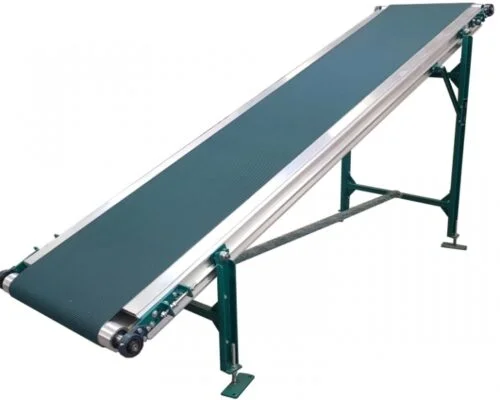 Belt conveyorsHorizontal & inclined02
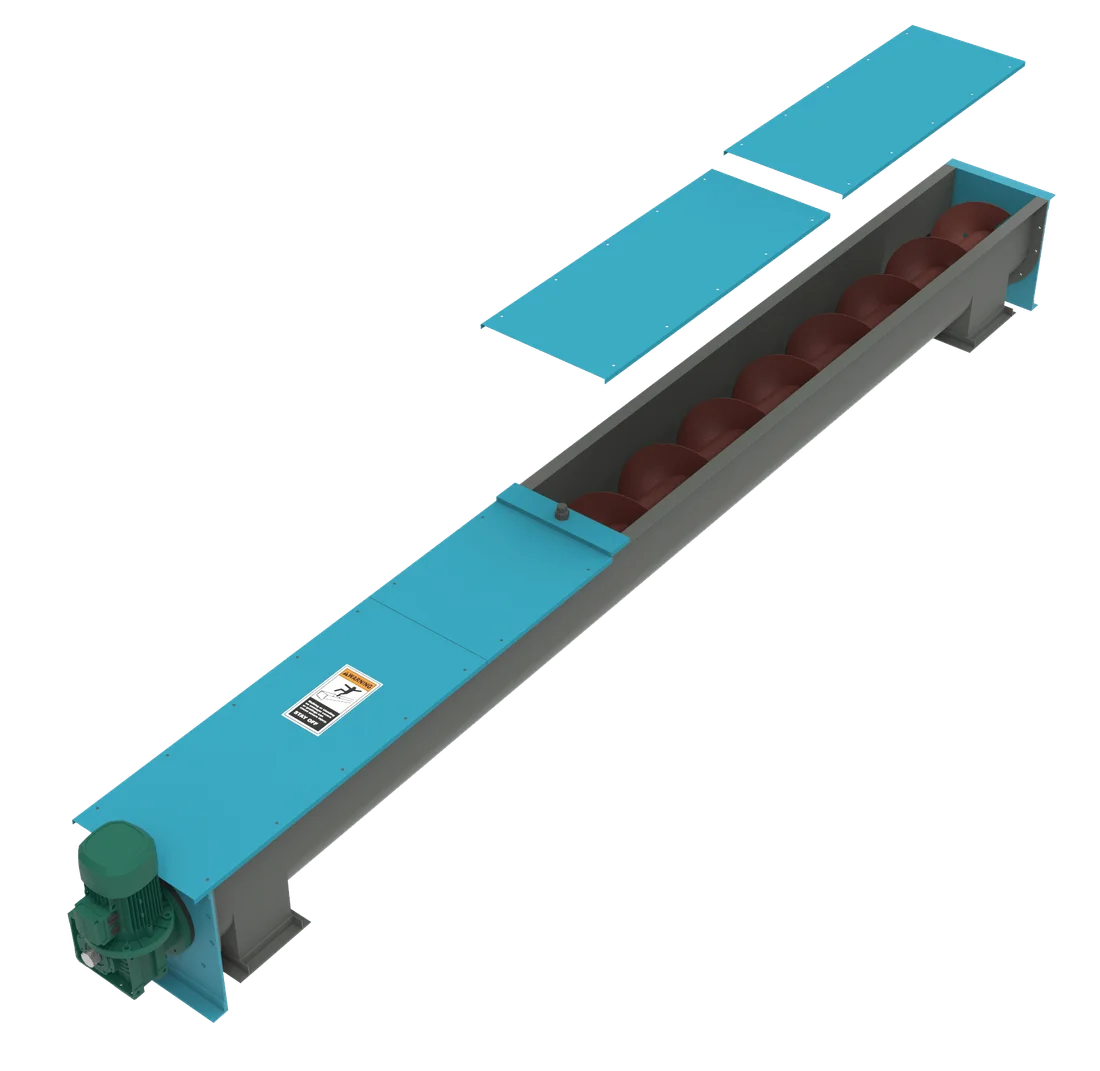 Screw conveyorsConveying & feeding03
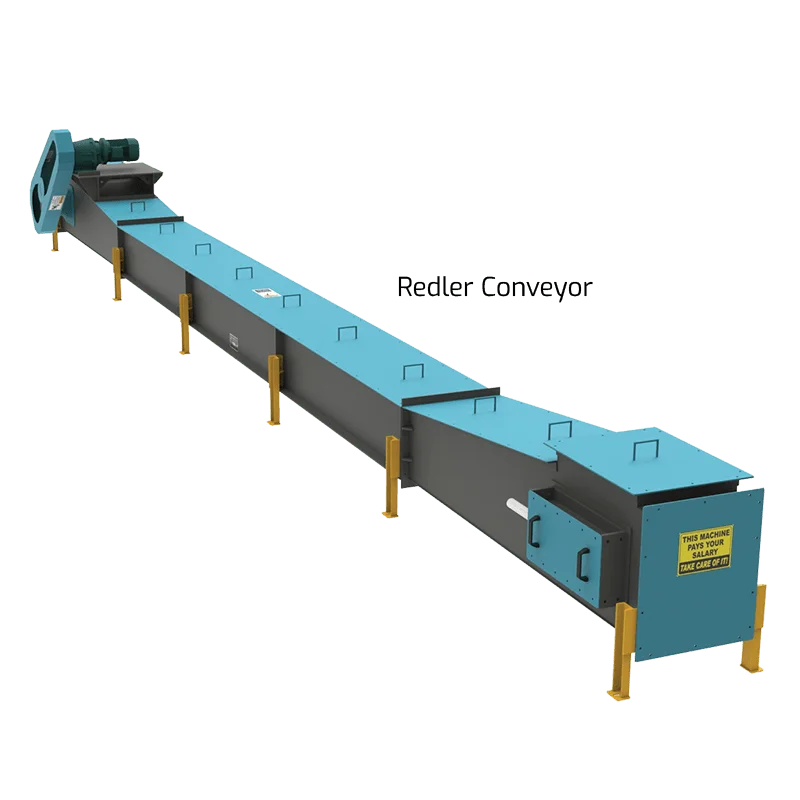 Redler conveyorsRedler / enclosed transfer04
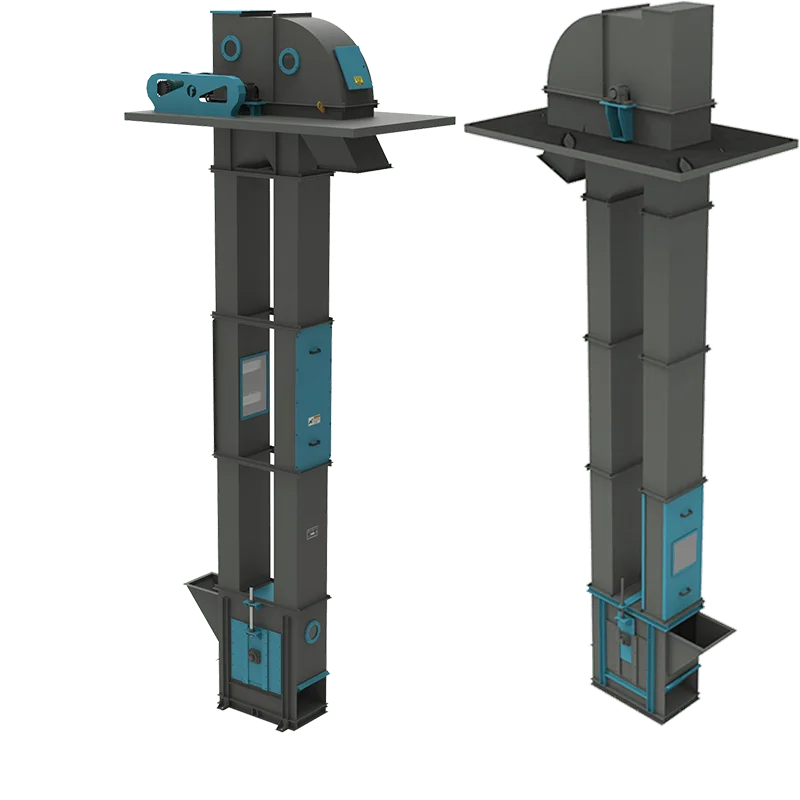 Bucket elevatorsVertical movement05
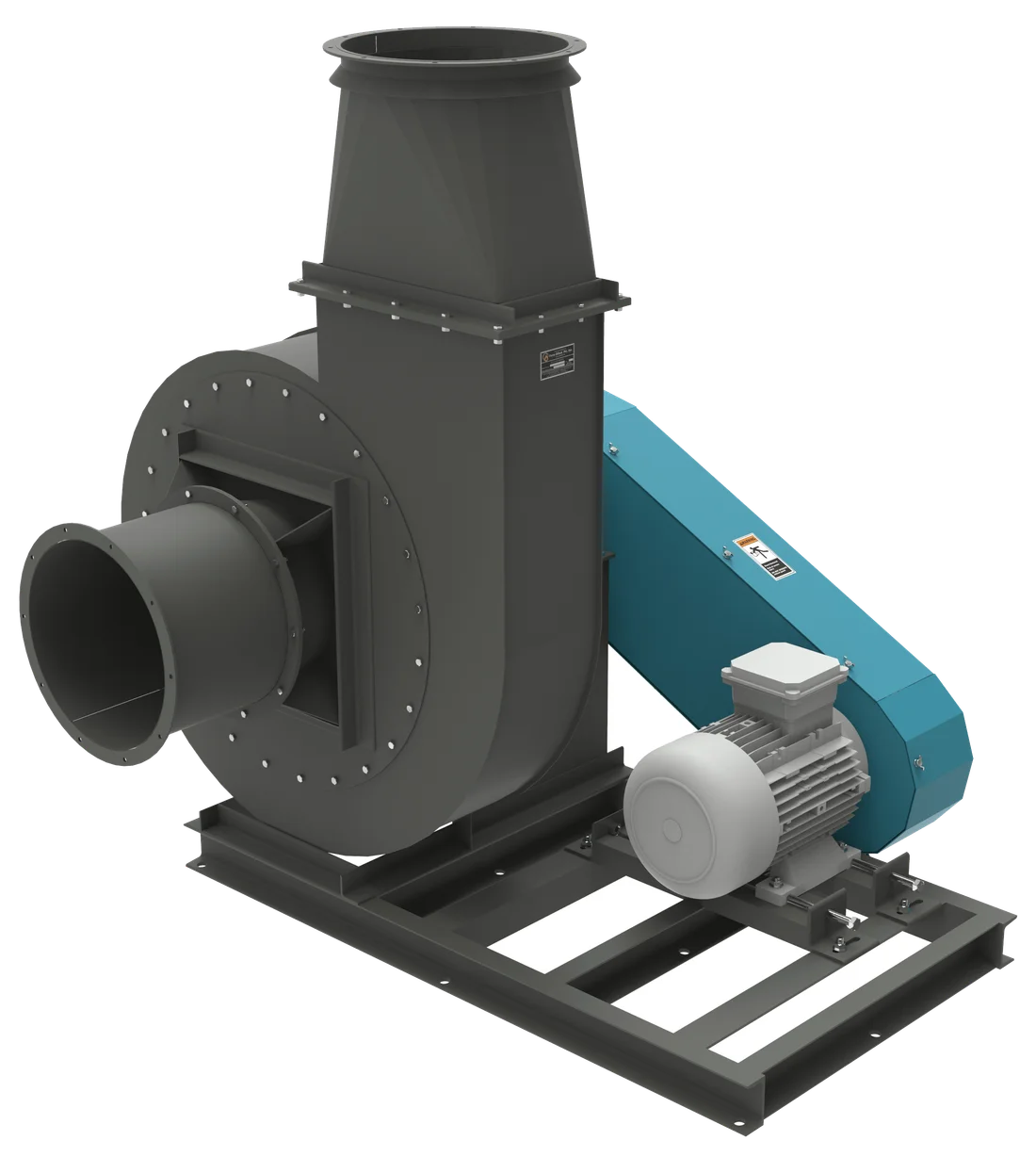 Pneumatic conveyingAir-powered transfer06
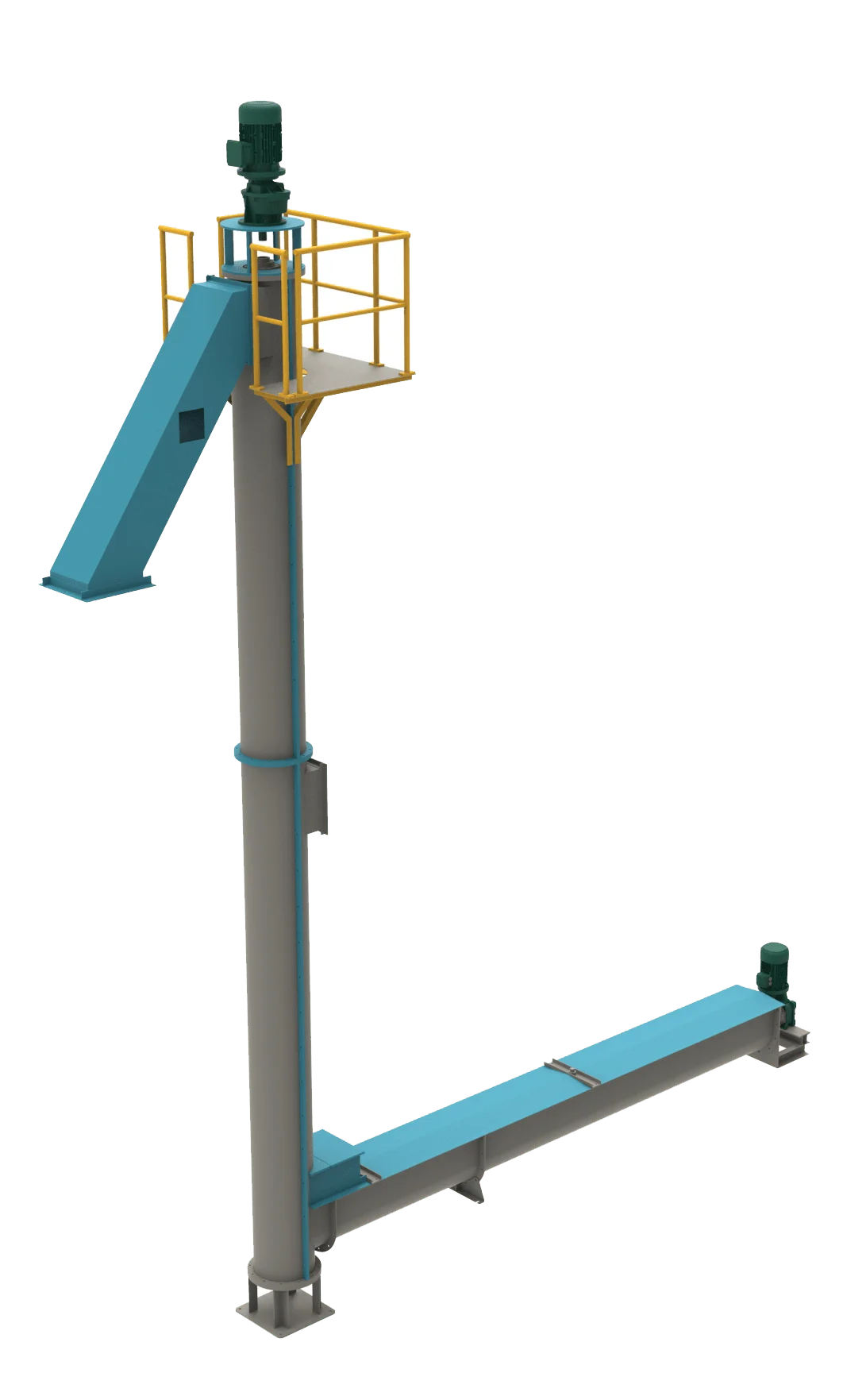 Rotor liftsSpecialised lifting
THE FERRO CONVEYTEK FOCUS
Materials move differently. Your handling system should reflect that—from the first feed point to the last discharge.
A Business Unit of Ferro Oiltek Pvt. Ltd., Ferro Conveytek focuses on conveying and material handling—connecting equipment, routes and process requirements.
About Ferro OiltekOUR EQUIPMENT PORTFOLIO
Six equipment families. A connected approach.
Compare equipment & bulk flow →
Find equipment by name or material →
ENGINEERED EQUIPMENT · APPLICATION-SPECIFIC SELECTIONConveying & feeding
Compact transfer of powders and meals between process stages, with feeding arrangements shaped around the material.
Share bulk density, moisture, flow behaviour and whether controlled feeding is required.
MATERIALS & APPLICATIONS
A WORKSPACE FOR YOUR NEXT SYSTEM
Combine belt, screw, Redler, bucket elevator and pneumatic segments. Change the route, see your bulk flow figures and take a complete requirement brief into your enquiry.
Launch System Designer Interactive route editor · Flow calculator · Project brief01 FEED → 02 TRANSFER → 03 ELEVATEQUICK REQUIREMENT PLANNER
Change the material and duty. Explore a preliminary route and carry the requirements into your enquiry.
Density is an editable example. Use a measured material value for engineering.
Explore belt or drag-chain conveying, with lifting equipment where the route requires elevation.
Concept only. Material testing, safety, power and final sizing require engineering review.
DESIGN CONSIDERATIONS THAT MATTER
Bring operation, access and maintenance into the conversation from the first project brief.
Review covers, drive guards and protected inlets and discharges for the chosen equipment.
Plan for safe isolation and lockout before cleaning, maintenance or clearing material.
Include inspection, maintenance access and designated crossings in the plant layout.
Use equipment-specific warning labels, placement guidance and operator training.
Discuss fines, moisture, flow behaviour and hazardous material properties before selection.
Plan inspection and upkeep of guards, drives, pulleys and other wear components.
These are project discussion topics informed by public guidance, not a safety assessment or a statement of CEMA certification. Equipment and site requirements need qualified engineering review.
FROM REQUIREMENT TO ROUTE
A clear material brief makes equipment selection and plant integration more effective.
Material, density, moisture and flow behaviour.
Capacity, route, lift and transfer requirements.
Feeders, hoppers, controls and dust collection.
Review the final system, duty and site interfaces.
LET’S BUILD WHAT’S NEXT
A single conveyor. A new route.
A complete material handling system.
Start the conversation with your requirements.
Review your project brief, download a copy, or submit your enquiry to our team.
A LITTLE MORE CLARITY
Begin with your material’s flow behaviour, bulk density, capacity and route. Belt, screw, drag-chain and pneumatic systems serve different duties. Final selection should consider the complete transfer route.
Share the material, measured bulk density, tonnes per hour, horizontal distance, lift height, operating hours and site location. Mention dust control, access and product-sensitivity requirements.
A complete route may combine receiving equipment, horizontal conveyors, vertical lifting and discharge equipment. The interfaces between machines matter as much as each machine.
No. It organises your requirements and estimates basic movement figures. Engineering review is needed to confirm equipment size, drive power, supports, material suitability and safeguards.